Pool Safety & Barrier Compliance
The physical works that bring a pool barrier up to the NSW standard — fence and gate height, extensions that actually comply, gaps, self-closing hinges and latches, non-climbable zone. Bought a place with a non-compliant pool, or fixing one before you sell? We carry out the agreed barrier repairs; a certifier assesses compliance and issues any certificate.
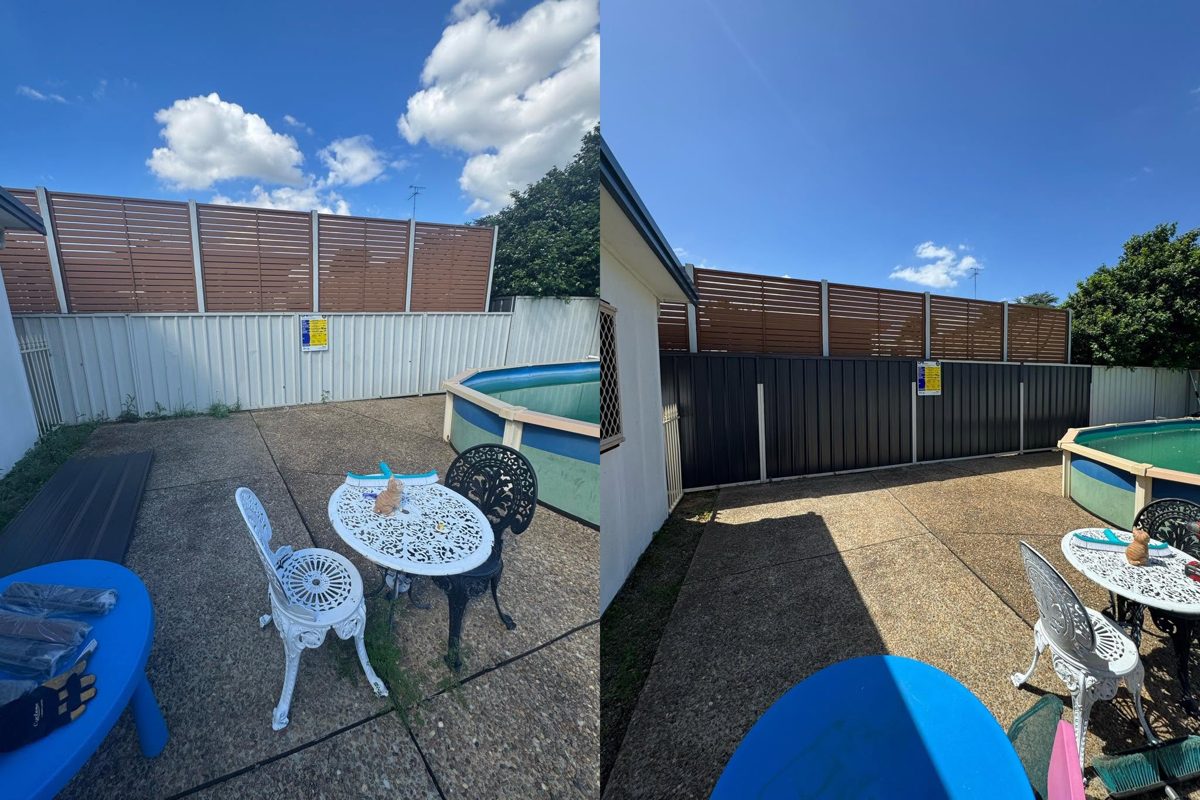
The short answer
PM Squad provides pool safety & barrier compliance across Western Sydney and the lower Blue Mountains, from a base in Glenmore Park. The physical works that bring a pool barrier up to the NSW standard — fence and gate height, extensions that actually comply, gaps, self-closing hinges and latches, non-climbable zone. Bought a place with a non-compliant pool, or fixing one before you sell? We carry out the agreed barrier repairs; a certifier assesses compliance and issues any certificate.
- 33 suburbs across Western Sydney & the Blue Mountains
- Prompt replies. Itemised quotes
- Fencing and gates raised or replaced to height
- Fence extensions assessed for compliance, not just height
- Bottom gaps closed to under 100mm
- Self-closing hinges & self-latching hardware
Public liability insured, ABN registered. Request an itemised quote. Call 0494 301 215 or request a quote online.
Pool documentation requirements differ for a sale and a lease in NSW. A sale may use a certificate of non-compliance under the applicable rules; a rental cannot use that certificate. Common barrier defects include: a barrier under 1.2 metres, a gap over 100mm at the bottom, a gate that doesn't self-close or self-latch at the right height, or a climbable object sitting too close to the fence.
We do the physical works that bring a pool barrier up to the applicable NSW standard so it's ready to pass an inspection — replacing or raising fencing and gates, closing gaps, fixing or replacing self-closing hinges and self-latching hardware, clearing the 900mm non-climbable zone, and putting up a compliant CPR sign. To be clear: we're not certifiers and we can't issue the Certificate of Compliance — that comes from your council or a private certifier registered with NSW Fair Trading. What we do is the hands-on rectification so the barrier is ready for them, working straight from a failed inspection report if you have one, with photos as each item is done.
Two things worth knowing. First, a fence extension isn't automatically compliant. A pool barrier has to be at least 1.2 metres high — and where a boundary fence forms part of the barrier, at least 1.8 metres on the pool side. Simply bolting a panel on top to make that height can create a brand-new problem: a foothold that breaches the non-climbable zone, or a gap that opens up where the panels meet. We assess the whole barrier and the zone around it, not just the height. Second, the rules get updated, so we keep across the current NSW pool safety guidelines rather than going off how it was done a few years back. Whether you've just bought a place and inherited a non-compliant pool, or you're getting one sorted before you put the property on the market, we'll work through exactly what needs doing.
What's included
What actually fails an inspection
After enough of these you see the same handful of items over and over. Almost all of them are fixable in a day or two once someone's identified them properly.
- Barrier height — the barrier has to be at least 1.2 metres measured on the outside. Where a boundary fence forms part of it, 1.8 metres on the pool side. Ground that's been built up with garden beds or paving over the years is a common way a fence that used to pass now doesn't.
- Gap at the bottom — no more than 100mm between the ground and the bottom of the fence. Erosion, mulch settling and a garden bed that's been dug out all open this up gradually.
- Gaps between vertical members — no more than 100mm. Tubular fencing that's been hit by a mower or had a section replaced with the wrong spacing is the usual culprit.
- The gate — has to self-close from any position, including from just barely open, and self-latch without being pushed or lifted. A gate that closes from wide open but not from 100mm is a fail. Dropped hinges, worn spring hinges and a gate that's swollen are all common.
- Latch height and position — the release has to be at least 1.5 metres from the ground, or shielded so a child can't reach it from either side.
- Gate swings the wrong way — it must open outwards, away from the pool area.
- The non-climbable zone — a 900mm arc measured from the top of the barrier, which has to be clear of anything a child could climb. Pot plants, garden furniture, a bin, the pool pump housing, a retaining wall, tree branches, a BBQ, a trampoline. This is the one people fail on repeatedly because things get moved back into it after the inspection.
- Windows and doors opening into the pool area — where a house wall forms part of the barrier there are specific rules about window openings and door hardware.
- CPR signage — has to be current, legible, and mounted within the pool area where it's visible from the pool.
Why an extension can create a new problem
The most common repair we get called to redo is a fence extension someone bolted on to make the height. It solves one rule and breaks another.
Bolting a panel to the top of an existing fence usually leaves the fixing brackets, the rail, or the join itself exposed on the outside — and any one of those is a foothold. A foothold inside the 900mm non-climbable zone fails, no matter how tall the fence now measures. It can also open a gap wider than 100mm where the two sections meet.
So we look at the whole barrier and the zone around it rather than just running a tape up it. Sometimes the right fix is a proper extension detailed so there's nothing to stand on. Sometimes it's cheaper to replace the panel entirely than to make an extension work. We'll tell you which one you're looking at before you commit to either.
Buying, selling or leasing with a pool
Sale and rental documentation have different requirements, including possible occupation-certificate pathways and exemptions. A certificate of non-compliance can be used for some sales, but cannot be used to rent a property. Confirm the documents and any rectification deadline with your conveyancer or council. If you're selling, sorting it before you list is nearly always cheaper and calmer than sorting it during a cooling-off period with a buyer's solicitor asking questions.
Either way the sequence is the same: get it looked at, do the rectification works, then book the certifier. Booking the certifier first and failing costs you the inspection fee twice.
Who books this
Common questions
Can you issue the pool compliance certificate?
No — and it's worth being wary of anyone who says they can as a handyman. The Certificate of Compliance is issued by your local council or a private certifier registered with NSW Fair Trading. What we do is the physical rectification — fencing, gates, hinges, latches, gaps and signage — that gets the barrier up to standard so it passes their inspection.
Does adding a fence extension make it compliant?
Not on its own. A pool barrier needs to be at least 1.2 metres high, and a boundary fence that forms part of the barrier at least 1.8 metres on the pool side — but simply bolting an extension on to reach the height can create a new issue, like a foothold that breaches the 900mm non-climbable zone or a gap that opens up between the panels. We look at the whole barrier and the zone around it, so an 'extension' that ticks the height box doesn't quietly fail another rule.
We just bought a place with a pool — where do we start?
Common situation. If the pool came without a valid compliance certificate, the barrier needs to meet the applicable standard before a certifier can sign it off. Send us some photos or have us take a look, and we'll tell you honestly what's actually needed to get it there, then do the works. The certificate itself comes from a certifier or council after they inspect.
Do I need a compliant pool to sell or lease?
Sale and rental requirements differ. A sale may use a certificate of non-compliance; a rental cannot. Other documentation pathways and exemptions apply. Check the NSW Government guidance and confirm your property's requirements with your conveyancer or council before listing.
What usually fails an inspection?
A barrier under 1.2 metres (or a boundary fence under 1.8 metres where it forms part of the barrier), gaps over 100mm at the base, gates that don't self-close or self-latch, latches mounted below 1.5 metres, and climbable objects — pots, furniture, trees, the pump housing — sitting inside the 900mm non-climbable zone. Most are quick to fix once they're identified.
Pool Compliance by suburb
Find service information for your suburb.
Public liability insured and ABN registered (72 995 846 975). Certificates available on request. Where a job requires a licensed trade — electrical, plumbing, gas or structural — we identify it up front and refer it rather than attempting it ourselves.
From quote to completion
Here's the part people stick around for — you always know what's happening, what it costs, and what got done.
You'll know the price before we start
We look at the job and send back a quote with a price against each thing. Nothing turns up on the invoice that wasn't on the quote, so there's nothing awkward to explain to an owner later.
Photos when it's done
Before and after shots land in your inbox on completion. Forward them straight to the owner — you won't have to chase us for an update.
Send us your list as it is
Repair request, condition report, defect list, whatever you've already got. We work through it and report back the same way, so you're not re-typing anything.
One person, one invoice
Combine repairs and maintenance in one booking, with one point of contact and an itemised invoice.
Let's Talk About Your Portfolio
Send your defect list or condition report, including any target dates. We'll review the scope and let you know the next steps.
Requirements depend on the pool and its history. Confirm the applicable barrier standard and rectification scope with your council or certifier. See NSW Government pool owner obligations for current sale, rental and safety guidance.